Dental Implants Covered by Medical Insurance- How to Get
Table of Contents
Dental grafts are one of the most shared and real ways to swap lost teeth. Unlike dentures or bridges, dental implants are a more permanent solution to the tooth loss suffered by people. However, one major barrier is the cost involved with dental implants. Although most dental insurance does not pay for Dental Implants Covered by Medical Insurance, medical insurance might be in certain situations. This article discusses dental implants and how they are covered by medical insurance, including strategies on how to improve the possibility of the procedure being covered.
Understanding Dental Implants Covered by Medical Insurance
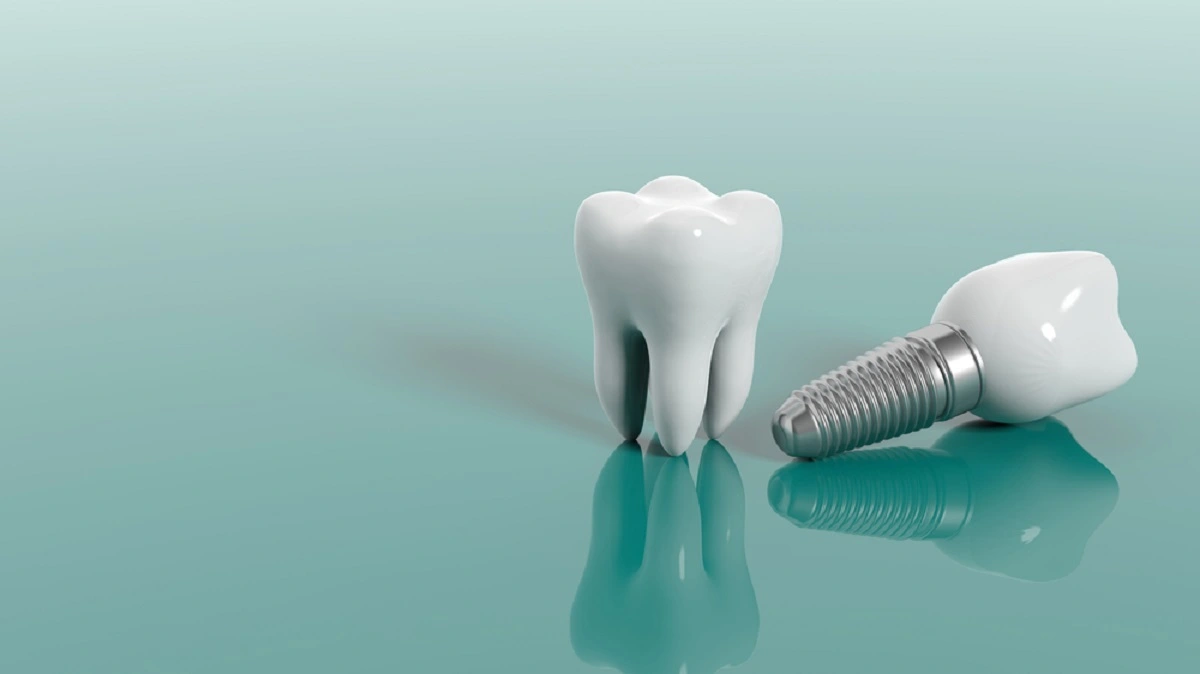
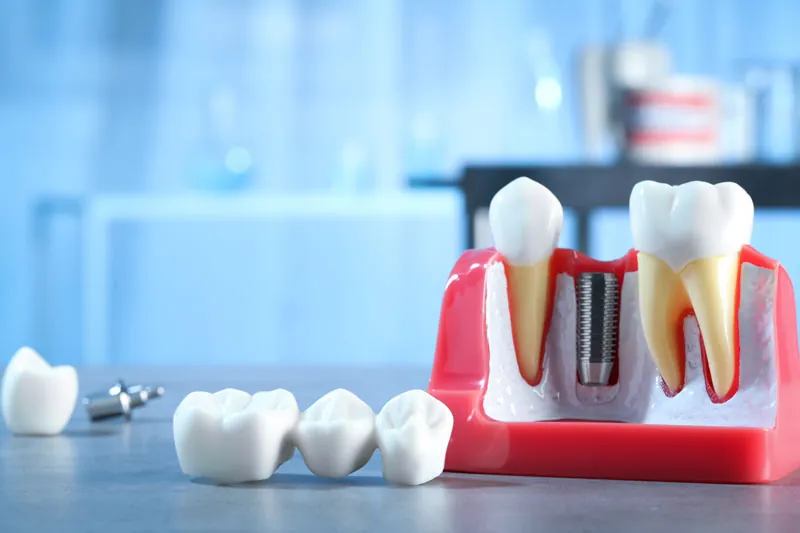
The implant then serves as an artificial root for missing teeth after it has been set. After the implantation and integration of the implant in the jawbone, the crown, bridge, or denture can be mounted on top, giving the patient a fully restored smile. This procedure is considered the gold standard in tooth replacement due to durability, functionality, and aesthetic results.
The cost of Dental Implants Covered by Medical Insurance has a wide range, from $1,500 to $4,000 per implant, taking into consideration the type and complexity of the treatment procedure and the geographical region. This can amount to up to $10,000 dollars for a full set of implants which may be a significant investment at financial levels.
Why Are Dental Implants Covered by Medical Insurance Not Always Funded by Dental Insurance
Traditional dental insurance plans tend to cover the most basic dental procedures like cleanings, fillings, and simple extractions, but rarely dental implants. The reason for this is that dental implants are considered an elective or cosmetic procedure. Most dental insurance plans do not cover treatments that are considered aesthetic or non-essential for maintaining oral health.
Robb Stark Game, Usually, Dental Implants Covered by Medical Insurance tend to cost a person more money compared to typical procedures for teeth. Insurance agencies usually prefer cost minimization and can prioritize necessary and basic coverage towards procedures thought to help facilitate oral functioning rather than treatments that focus more on elaborate matters.
Insurance does not totally rule out dental implants as sometimes they end up covering parts of the expense from a medical cover.
When Dental Inserts Are Protected by Health Insurance
Though Dental Implants Covered by Medical Insurance may not cover implants, there will be cases when medical insurance can cover the treatment. This typically occurs where the purpose of the dental implant is medical rather than aesthetic.
1. Needed for Medical Reasons Due to Injury or Trauma
If an accident, injury, or trauma results in the loss of a tooth or more than one tooth, medical insurance can be claimed to get dental implants because the reason behind the loss of teeth is not aging or poor oral hygiene but a medical cause. In cases of severe facial trauma, such as those caused by car accidents, sports injuries, or workplace accidents, medical insurance may provide coverage for the restorative dental work needed to rebuild the patient’s mouth.
2. Dental Implants as a Part of Cancer Treatment
Patients who undergo cancer treatments, such as radiation therapy, may experience damage to their teeth or jawbone. In cases where the teeth lost are due to radiation or chemotherapy, Dental Implants Covered by Medical Insurance might be included in the medical insurance coverage for the treatment of cancer. This is often seen as a reconstructive procedure after treatment to achieve normal functionality and appearance. In case implants are required to support the overall well-being of the patient after the treatment of cancer, then they will be approved by medical insurance.
3. Implants for Medical Necessity
Rogue Heroes Best Power, In some instances, Dental Implants Covered by Medical Insurance may qualify as medically necessary, particularly in cases where the individual suffers from serious chewing and speech impairments due to lost teeth. For instance, in a case where a patient loses several teeth because of rampant gum disease, Dental Implants Covered by Medical Insurance may be able to pay for this treatment if it can be established that the implants would have to be used for functionality purposes. In such situations, implants might be construed as reconstructive surgery instead of cosmetic dentistry.
4. Dental Implants for People with Certain Medical Conditions
People who have certain medical conditions affecting the teeth or jaw can be covered under dental implant coverage. Examples of these conditions include birth defects, deformities in the jaw, or cleft palate that cause tooth loss. This usually requires medical treatment. Under such circumstances, dental implants would be part of the medical care to restore their health and quality of life.
How to Get Dental Implants Covered by Medical Insurance
You may not be guaranteed medical insurance coverage for your dental implants, but there is a way to increase the chances of getting the treatment covered.
1. Review Your Medical Insurance Policy
The first step is to review your medical insurance policy. Look for any references to dental coverage and understand the specific terms and conditions regarding Dental Implants Covered by Medical Insurance. Some policies may include coverage for dental implants in specific cases, while others may not offer any dental coverage at all. If your insurance plan includes coverage for oral surgery or reconstructive procedures, this may be a key factor in getting dental implants approved.
2. Get a Diagnosis from Your Doctor
If you believe that your Dental Implants Covered by Medical Insurance procedure qualify for coverage under your medical insurance, you should get a medical diagnosis through a physician or dentist. Be able to show that an implant is necessary for reasons of health and well-being to qualify for most Dental Implants Covered by Medical Insurance plans. Documenting that your tooth loss is the result of an injury, or a medical condition, and not merely cosmetic will fulfill this requirement.
3. Liaise with Your Dentist and Insurance Provider
Your dentist may be an indispensable ally in obtaining coverage. As such, work closely with your dentist to ensure they take all the necessary steps towards providing documentation to your insurer. These may include such things as medical records, as well as imaging like x-rays or CT scans, combined with descriptions of your medical condition. In some circumstances, your dentist may have to make an application for pre-authorization to your insurer to establish that dental implants are covered.
4. Appeal a Denied Claim
If your health insurance company declines coverage, don’t quit right away because most insurance companies offer to have the denied claim put in an appeals process for consideration. As part of your appeal, you may file additional medical documentation such as letters your healthcare providers are willing to include with your claim to advance your case. You might consider asking your dentist to detail in a letter why, from a medical perspective, your implants are medically necessary and should enhance your health.
5. Supplemental Insurance
If your current Dental Implants Covered by Medical Insurance does not cover dental implants, you may want to explore supplemental insurance options. Some policies are designed to cover specific dental procedures, including implants. Additionally, some dental discount plans may help reduce the overall cost of implants by providing negotiated rates with dental providers.
6. Medicare or Medicaid
For those who qualify, Medicare and Medicaid may provide for some limited dental implant services in some circumstances. Normally, Medicare will only provide for dental implants in connection with medical treatments (for example, when the dental implant must be done to treat cancer), but for Medicaid, coverage for dental implants is variable by state, so contact your state Medicaid office or your Medicare agency to find out what’s covered in your case.
Conclusion: Dental Implants Covered by Medical Insurance
Dental Implants Covered by Medical Insurance offer a more permanent and very effective dental replacement for missing teeth, and their cost, however, is a barrier for many of the patients. Traditional insurance for dental, in fact, usually does not pay anything for implants, but sometimes medical pays for the implants depending on individual circumstances. Most patients need implants because of a trauma situation, medical conditions, and cancer treatment they tend to have a greater chance that medical insurance will help pay for the implants.
Improving your chances of getting the insurance to pay for your dental implant procedure is crucial as you go through the entire process, review your policy, work with your dentist to ensure you have the proper paperwork, and submit it when making your claim. In some cases, you may appeal a denied claim or consider supplemental insurance policies to cover the costs of your dental implants. All this is possible by understanding which insurance options you have for your health needs and the best way to advocate your case.
FAQs?
Where Can I Find Dental Implants Covered by Medical Insurance?
Finding dental implants covered by medical insurance can be challenging, as dental insurance typically does not cover implants unless there is a medical necessity involved. However, there are some situations where dental implants may be covered or partially covered by medical insurance.
When Is the Best Time to Get Dental Implants Under Medical Insurance?
The best time to get dental implants under medical insurance depends on several factors, such as your insurance plan, the timing of any dental health issues you may have, and the specifics of the procedure itself.
What Are the Benefits of Having Dental Implants Under Medical Insurance?
Having dental implants covered under medical insurance offers the benefit of lower costs, broader provider access, eligibility for medically necessary treatments, and improved overall health outcomes. It also facilitates better financial planning for the patient, particularly when implants are part of a larger medical treatment plan.